
Mumbai Powai to Host Asia's Largest Global Capability Centre with ₹8,350 Crore Investment
 Admin
Admin
- 19th Dec 2025
- 1129
- 0
Never miss any update
Join our WhatsApp Channel
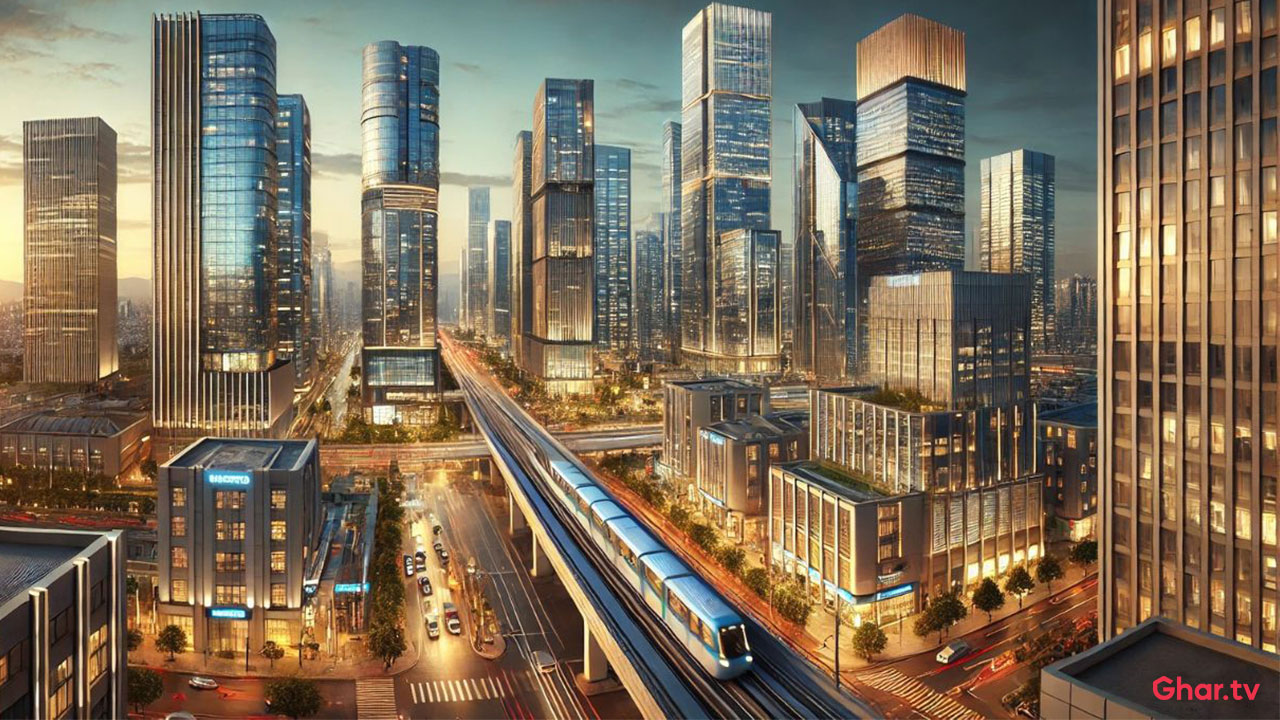
Mumbai is set to witness a historic transformation in its commercial real estate landscape. A leading global alternative investment firm has announced plans to develop Asia's largest Global Capability Centre (GCC) in Powai, one of the city's most sought-after business and residential hubs. This landmark ₹8,350 crore (approximately $1 billion) project will reshape Mumbai's position as a global technology and financial powerhouse.
Scheduled for completion by 2029, this mega development will generate over 30,000 high-skilled jobs, making it one of the largest employment generators in India's commercial real estate sector. For property buyers, investors, and businesses eyeing opportunities in the Mumbai Metropolitan Region (MMR), this development signals a significant value appreciation potential in and around Powai.
What is a Global Capability Centre (GCC)?
Before diving into the project details, let's understand what makes GCCs so valuable for India's real estate and employment landscape.
A Global Capability Centre is an offshore unit established by multinational corporations to handle critical business functions including technology development, research and innovation, data analytics, financial services, and customer support. Unlike traditional IT outsourcing, GCCs are fully owned subsidiaries that serve as strategic extensions of the parent company.
India currently hosts over 1,700 GCCs employing more than 1.9 million professionals, contributing approximately $64 billion annually to the economy. The country is expected to have 2,400+ GCCs by 2030, cementing its position as the global GCC capital. This growth directly impacts real estate demand, particularly for Grade A commercial spaces in metro cities. According to recent data, Bengaluru dominates India's GCC market with 65% office space share, but Mumbai is rapidly emerging as a strong competitor.
Project Overview: Key Details at a Glance
| Parameter | Details |
|---|---|
| Location | Powai, Mumbai |
| Land Area | 6 acres |
| Built-up Area | 2 million sq ft (leasable) |
| Investment | ₹8,350 crore ($1 billion) |
| Completion Timeline | 2029 |
| Jobs Created | 30,000+ skilled positions |
| Anchor Tenant | Multinational bank (20-year lease) |
| Sustainability | 100% green power commitment |
| Developer | Joint venture between global investment firm and local partner |
| Land Authority | Mumbai Metropolitan Region Development Authority (MMRDA) |
Why Powai? Strategic Location Advantages
The selection of Powai for Asia's largest GCC is no coincidence. This suburb has evolved from a quiet residential area into a thriving mixed-use ecosystem that offers the perfect blend of infrastructure, talent access, and quality of life.
Connectivity and Infrastructure
Powai enjoys excellent connectivity that makes it ideal for large-scale commercial developments. The area is well-connected via the Eastern Express Highway and the Jogeshwari-Vikhroli Link Road (JVLR), providing seamless access to key business districts including Bandra Kurla Complex (BKC), Andheri, and Lower Parel.
The upcoming Metro Line 6 (Swami Samarth Nagar to Vikhroli) will further enhance Powai's accessibility, reducing commute times significantly. The Mumbai Trans Harbour Link (MTHL), now operational, has improved connectivity to Navi Mumbai, effectively expanding the catchment area for both talent and business opportunities. For more insights on how infrastructure is shaping Mumbai's real estate, read about the Mumbai infrastructure upgrades impacting travel and real estate.
Established Business Ecosystem
Powai already hosts a robust commercial ecosystem that includes the Hiranandani Business Park, L&T Technology Park, and several IT and ITES companies. Major corporations including Deloitte, JP Morgan, Nomura, and L&T have established significant operations here. The area's commercial potential continues to grow, as highlighted by Smartworks sealing India's largest flexible office deal at Hiranandani's Vikhroli Eastbridge Campus. The presence of IIT Bombay creates a direct talent pipeline for technology and engineering roles.
Talent Availability
The area benefits from one of Mumbai's highest concentrations of skilled professionals. IIT Bombay, NITIE (now IIM Mumbai), and several engineering colleges in the vicinity ensure a steady supply of qualified candidates. The residential infrastructure in Powai and surrounding areas including Chandivali, Vikhroli, and Kanjurmarg can support the housing needs of a large workforce.
Real Estate Value Proposition
Current residential property prices in Powai range between ₹22,000 and ₹38,000 per sq ft, depending on the project and location. Commercial rentals average ₹135 to ₹175 per sq ft per month for Grade A office spaces. The GCC development is expected to push these values higher, making early investments in the area potentially rewarding. For a detailed comparison of investment potential, explore Powai vs Kanjurmarg East: Which offers better property ROI.
Maharashtra's GCC Policy: The Catalyst Behind the Investment
The timing of this announcement aligns with Maharashtra's revised Global Capability Centre Policy, designed to attract high-value investments and create future-ready employment opportunities. The policy offers several incentives that make the state an attractive destination for GCC establishments.
Key Policy Highlights
The revised policy provides a structured framework for developing large-scale, skill-intensive business ecosystems. Companies setting up GCCs in Maharashtra can benefit from simplified approval processes that reduce red tape and accelerate project timelines. Financial incentives including stamp duty waivers and electricity duty exemptions make operations more cost-effective.
Infrastructure support through dedicated GCC zones with pre-approved layouts, utilities, and connectivity reduces development timelines. Skill development partnerships with educational institutions ensure a trained workforce pipeline. Green building incentives align with global sustainability mandates that many multinational corporations are now required to meet. The state's proactive approach has resulted in Maharashtra attracting the highest FDI in a decade.
Impact on Real Estate Development
For developers and investors, the GCC policy creates predictable demand for commercial real estate. The guarantee of anchor tenants with long-term lease commitments (like the 20-year lease in the Powai project) reduces investment risk and makes financing more accessible. This policy-backed certainty is attracting both domestic and international capital to Maharashtra's commercial real estate sector. To understand the broader commercial landscape, read about how Mumbai's commercial real estate sets new standards for India's urban growth.
Sustainability Focus: 100% Green Power Commitment
In an era where Environmental, Social, and Governance (ESG) compliance has become mandatory for global corporations, the Powai GCC's commitment to 100% green power positions it as a future-ready development.
Why Sustainability Matters for Commercial Real Estate
Multinational corporations are increasingly mandating that their office spaces meet stringent sustainability standards. Buildings with green certifications like LEED Platinum or IGBC Gold command premium rentals, often 15% to 25% higher than conventional buildings. Lower operating costs through energy efficiency translate to better net effective rentals for tenants. For comprehensive guidance on this topic, explore your ultimate guide to sustainable real estate investment in India.
Employee preference for sustainable workplaces aids in talent attraction and retention. Regulatory compliance with India's Energy Conservation Building Code (ECBC) and upcoming carbon neutrality targets ensures long-term viability. This aligns with India's real estate sector's role in the country's net-zero ambition by 2070.
Green Features Expected in the Development
While specific details are yet to be announced, developments of this scale typically incorporate:
- Solar power integration and renewable energy procurement
- Rainwater harvesting and water recycling systems
- Energy-efficient HVAC and lighting systems
- Electric vehicle charging infrastructure
- Waste management and recycling facilities
- Biophilic design elements including green spaces and natural lighting
Learn more about top green building certifications in India to understand the standards that premium developments now follow.
Part of a Larger ₹1 Lakh Crore Investment Vision
The Powai GCC is one component of a much larger investment commitment to the Mumbai Metropolitan Region. The investment firm recently signed a Memorandum of Understanding (MoU) with MMRDA to bring in approximately ₹1 lakh crore ($12 billion) worth of investments into the region.
Other Major Developments Under This Vision
A build-to-suit commercial tower in Pune is being developed for a leading financial services company. This project will add significant Grade A office space to Pune's commercial inventory, which is already seeing strong demand from GCCs and IT companies. For those considering investments in Pune, explore the top real estate investment areas in Pune with price trends and rental yields.
In Bandra Kurla Complex, the acquisition of 2.1 acres for a mixed-use development will add premium office and retail space in Mumbai's most expensive business district where commercial land prices exceed ₹1 lakh crore per acre. Recent deals include Apple India significantly expanding its Mumbai BKC office footprint.
The investment firm is also expanding its pan-India portfolio across seven cities with a combined portfolio of 55 million sq ft of commercial spaces. This includes developments in Bengaluru, Hyderabad, Chennai, Gurugram, and Noida, catering to the growing demand for quality office spaces across India's major metros.
Impact on Mumbai's Real Estate Market
This investment wave is expected to strengthen Mumbai's position as India's commercial real estate capital. Increased Grade A office supply will help moderate rental growth while maintaining quality standards. Infrastructure investments accompanying these developments will benefit surrounding residential areas. Employment generation will drive housing demand, particularly in mid-segment residential properties near commercial hubs. Understand the complete landscape through our MMR real estate revolution complete property investment guide.
Employment Impact: 30,000 Jobs and Beyond
The creation of 30,000 direct jobs is significant, but the total economic impact extends far beyond these numbers.
Types of Jobs Expected
The GCC will employ professionals across various functions including:
- Technology development roles such as software engineers, data scientists, AI/ML specialists, and cloud architects
- Financial services positions covering banking operations, risk management, compliance, and analytics
- Research and development opportunities in product development, innovation labs, and process improvement
- Support functions encompassing HR, finance, legal, and administration
- Customer experience roles handling global customer support and relationship management
Salary Impact on Local Economy
GCC jobs typically offer salaries 20% to 40% higher than comparable positions in domestic companies. Entry-level positions may start at ₹6 lakh to ₹12 lakh per annum, with mid-level roles ranging from ₹15 lakh to ₹35 lakh, and senior positions commanding ₹50 lakh and above. This high-income workforce will drive demand for quality housing, retail, hospitality, and lifestyle services in the area. For insights on rental potential in the area, read the Powai rental market report covering trends, yields, and investment guidance.
Indirect Employment Generation
For every direct job in a GCC, approximately 3 to 4 indirect jobs are created in sectors including:
- Retail and food services catering to the working population
- Transportation including cabs, buses, and metro services
- Housing and real estate services
- Healthcare and education
- Domestic help and personal services
The Powai GCC could therefore generate over 100,000 direct and indirect jobs, making it a significant economic driver for the region.
What This Means for Property Buyers and Investors
For those looking to invest in Mumbai's real estate market, the Powai GCC development presents both opportunities and considerations.
Residential Property Outlook
Properties within a 5 km radius of the GCC site are likely to see appreciation of 15% to 25% over the next 3 to 5 years. Key micro-markets to watch include:
- Powai itself: Premium properties near Hiranandani Gardens and Powai Lake will benefit most
- Chandivali: Offers relatively affordable options with good connectivity to Powai, with projects like Nahar Group's Chandivali project addressing rising demand for green living
- Vikhroli East: Particularly areas near the Eastern Express Highway present value opportunities
- Kanjurmarg: With upcoming metro connectivity, shows strong potential for appreciation
Commercial Property Opportunities
The GCC development will absorb significant commercial space, potentially tightening supply and pushing rentals higher. Smaller commercial properties in the area may see increased demand from ancillary businesses. Retail spaces near the GCC could command premium rentals due to captive high-income footfall. For comprehensive guidance, explore best places to buy commercial property in Mumbai for passive income.
Investment Timeline Considerations
The project's 2029 completion timeline suggests a 4 to 5 year investment horizon for maximum returns. Early movers in residential properties may see better appreciation. Commercial investments should factor in the gradual ramp-up of the GCC operations.
Mumbai's Emergence as Asia's GCC Capital
This development cements Mumbai's position as a preferred destination for Global Capability Centres in Asia. Several factors contribute to this status:
- Mumbai offers unmatched access to India's largest talent pool across financial services, technology, and professional services
- The city provides robust infrastructure with improving connectivity through metro expansion, coastal road, and trans-harbour links
- The regulatory environment is favourable with the state government's proactive GCC policy and single-window clearances
- Quality of life considerations including international schools, healthcare facilities, and lifestyle options meet the expectations of global executives
The competitive landscape across Asian cities for GCC investments sees Mumbai emerging ahead of Singapore and Hong Kong in cost competitiveness, ahead of Manila and Kuala Lumpur in talent quality, and comparable to Bengaluru and Hyderabad with the added advantage of financial services expertise. As Mumbai solidifies its position as India's wealth hub, real estate investment preference continues to surge among high-net-worth individuals.
Future Outlook: What to Expect by 2030
As the Powai GCC takes shape, several trends will likely emerge:
- Commercial real estate in MMR will see continued growth with an estimated 20 million sq ft of new GCC-driven demand by 2030
- Residential development around GCC clusters will intensify with developers targeting the high-income professional segment
- Infrastructure investment will accelerate to support the growing workforce and business requirements
- Satellite towns including Navi Mumbai, Thane, and Panvel will see spillover growth as housing becomes more affordable relative to Powai
- Sustainability will become standard with green building certifications becoming the norm rather than the exception for commercial developments
The Navi Mumbai Airport launch making Mumbai India's first dual-airport city will further enhance the region's attractiveness for global businesses.
Conclusion
The ₹8,350 crore Global Capability Centre in Powai represents more than just a real estate development. It marks a strategic shift in India's positioning as a global talent and innovation hub. The project brings together world-class infrastructure, sustainability commitments, massive employment generation, and long-term institutional capital, setting a new benchmark for commercial real estate development in India.
For Mumbai's real estate market, this investment signals sustained demand for both commercial and residential properties in the eastern suburbs. Property buyers and investors would do well to monitor developments in Powai and surrounding areas as this mega project progresses. Explore our comprehensive guide to best investment hotspots in Mumbai for maximum ROI to make informed decisions.
The combination of Maharashtra's supportive GCC policy, Mumbai's inherent advantages as a financial capital, and the demonstrated commitment of global investors makes this an exciting time for the city's real estate sector. As the Powai GCC rises over the next five years, it will reshape the skyline and, more importantly, the economic trajectory of Mumbai and the broader MMR region.


Comments
No comments yet.
Add Your Comment
Thank you, for commenting !!
Your comment is under moderation...
Keep reading blogs