- Blog
- Infrastructure
- NEWS
- Mumbai
Mumbai Metro expansion drives suburban real estate demand
 Sandeep Thakur
- 2026-04-11 18:01:16
- 1208
- 0
Never miss any update
Join our WhatsApp Channel
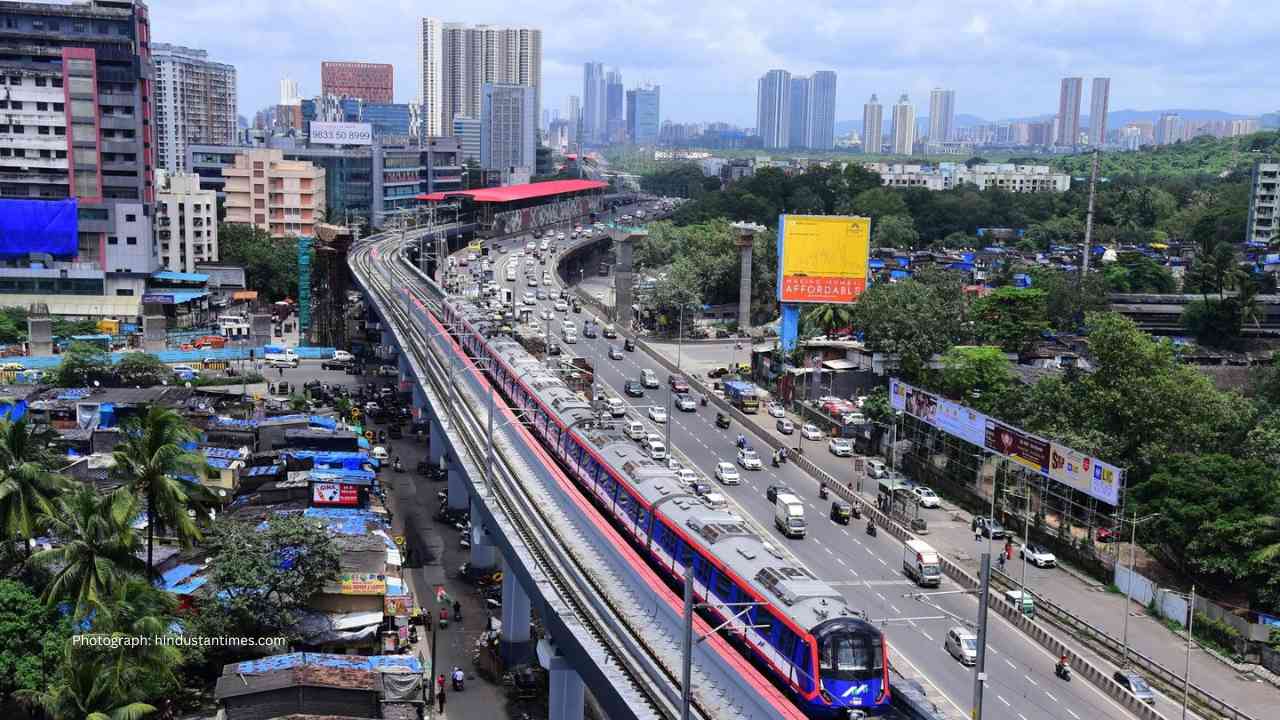
Mumbai: The recent launch of Mumbai Metro Line 9 and the initial phase of Line 2B underscores a pivotal shift in the suburban real estate demand across the metropolitan region. These infrastructure advancements are effectively reshaping residential corridors, particularly in northern and eastern outposts, by dramatically reducing commute times to major commercial hubs.
Key Infrastructure Project Details
The following table outlines the operational milestones and scope of the recently inaugurated transit corridors that are influencing local housing markets.
| Project Corridor | Connectivity Scope | Impacted Micro-markets |
|---|---|---|
| Metro Line 9 | Dahisar East to Kashigaon | Dahisar, Mira Road, Bhayandar |
| Metro Line 2B (Phase 1) | Mandale to Chembur | Chembur, Mankhurd, Kurla |
| Operational Network | 6 total metro lines | Greater Mumbai Metropolitan Region |
Suburban Real Estate Demand Dynamics
Enhanced transit capacity provides a structural boost to residential values in previously peripheral neighborhoods. By bridging the gap between underserved eastern corridors and central business districts, these corridors facilitate rapid value appreciation for both residential and commercial assets. Average residential prices in peripheral locations such as Mira Road and Bhayandar surged by approximately 36% to 37% between 2022 and the first quarter of 2026. This trend highlights how infrastructure accessibility functions as the primary catalyst for long-term capital appreciation in the Mumbai metropolitan area.
The integration of the Chembur–Mankhurd belt into the metro network marks a milestone in urban planning, drawing significant attention from homebuyers seeking affordable housing with efficient transit access. Data indicates that residential capital values in Chembur real estate market climbed by 32% over the last four years, reaching an average of ₹32,500 per carpet area by Q1 2026. This appreciation confirms that the market values connectivity as the most critical factor for sustainable growth in the property sector.
Infrastructure Influence on Micro-Markets
The expansion of transit networks typically accelerates project development cycles, as developers increase supply to align with the heightened interest from end-users. With Mumbai now operating over 100 km of metro lines, the city ranks as the second-largest network in the country, directly influencing buyer sentiment. Peripheral zones that previously lacked high-frequency public transport are transitioning into self-contained urban nodes, further balancing the concentration of commercial activity throughout the city.
Investment and Pricing Trends
Market observers note that while prime localities like Bandra West residential area maintain consistent growth, the most aggressive price movements occur in emerging hubs where metro connectivity initiates a reset of asset values. Thane real estate market recorded a substantial 43% rise in capital values between 2022 and Q1 2026, demonstrating the extreme sensitivity of suburban property markets to infrastructure-led developments. Such significant growth confirms that connectivity remains the definitive driver for potential investors looking beyond traditional city-center options.
Outlook for 2026 and Beyond
The strategic deployment of new metro lines continues to redefine the living standards and accessibility metrics for Mumbaikars through the remainder of the fiscal year. As transit times shorten across corridors, developers are expected to prioritize site acquisitions and project launches near the new transit nodes to capture incoming demand. This structural shift ensures that suburban real estate demand remains robust, fostering a more equitable distribution of growth across the wider metropolitan landscape.
Conclusion
The integration of high-speed rail connectivity fundamentally alters the economic geography of the region, ensuring that suburban real estate demand remains a key focus for stakeholders throughout 2026. With improved transit infrastructure defining the next era of development, the expansion of the Mumbai Metro network serves as the foundational element for future property valuation and residential growth. Continued investment in these transit-oriented zones will likely stabilize prices while enhancing the overall quality of urban life for residents across the city.
Disclaimer: This article is based on publicly available information and media reports. Ghar.tv does not independently verify all facts and figures mentioned. Readers are advised to conduct their own due diligence before making any investment or business decisions based on this information. The content is for informational purposes only and should not be construed as financial, legal, or professional advice.


Comments
No comments yet.
Add Your Comment
Thank you, for commenting !!
Your comment is under moderation...
Keep reading blogs