- Blog
- Infrastructure
- NEWS
- Navi Mumbai
Navi Mumbai Infrastructure: CIDCO Targets ₹16,250 Crore Expansion
 Sandeep Thakur
- 2026-04-09 00:45:35
- 1209
- 0
Never miss any update
Join our WhatsApp Channel
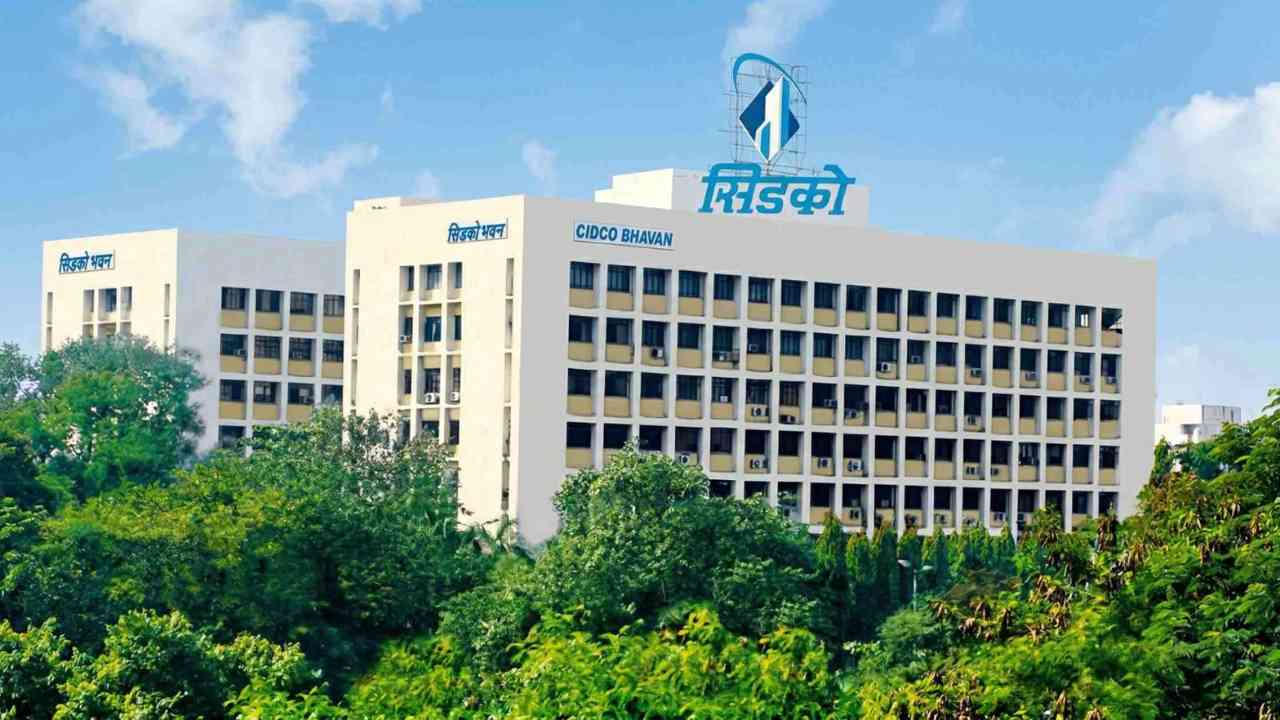
Navi Mumbai infrastructure is set for a massive transformation following the City and Industrial Development Corporation (CIDCO) announcement of a ₹16,250 crore outlay for the 2026–27 fiscal year. The state-run agency aims to leverage the operational success of the Navi Mumbai International Airport (NMIA) to drive high-value regional development. This strategic financial allocation reflects the ongoing transition of the region into a global economic hub.
Fiscal Planning and Budgetary Allocation
The proposed budgetary framework anticipates total receipts matching the planned expenditure of ₹16,150 crore, projecting a surplus of ₹100 crore for the fiscal year. This fiscal discipline follows the 2025-26 cycle, where the organization maintained positive financial margins despite increased development pressures. The following table highlights the core financial distribution for the upcoming period.
| Metric | Financial Value |
|---|---|
| Total Budgetary Outlay | ₹16,250 crore |
| Projected Expenditure | ₹16,150 crore |
| Estimated Surplus | ₹100 crore |
| Proposed Housing Units | 19,300 units |
| Thane-NMIA Corridor Cost | ₹6,521 crore |
Navi Mumbai Infrastructure Connectivity Drivers
Central to this growth strategy is the integration of the NMIA with the broader metropolitan transport grid. The 34.89-km Metro Line 8 serves as a vital artery, designed to facilitate movement between the new airport and the established aviation infrastructure in Mumbai. Regional connectivity enhancement remains the primary objective, with additional metro lines including Belapur–NMIA and Pendhar–NMIA currently in the active planning phase. Such extensive transit-oriented development directly influences real estate valuation trends in proximity to these corridors.
Road network expansion is equally prioritized, highlighted by the 25.3-km elevated corridor linking Thane to the airport. This ₹6,521 crore infrastructure project, executed through a public-private partnership model, is expected to reduce transit times by 60 minutes for daily commuters. These transport links confirm the state's intent to position the region as a primary commercial anchor in Western India property markets.
Industrial and Economic Clusters
Beyond transportation, the agency is fostering specialized economic zones to support long-term investment. The development of a 155-hectare International Corporate Park in Kharghar commercial real estate and a 560-hectare Integrated Logistics Park near the airport indicates a focus on supply chain efficiency. These zones are engineered to attract corporate entities requiring proximity to both maritime and aviation logistics hubs. The broader impact of urban infrastructure continues to drive institutional capital into these emerging corridors.
Large-scale water augmentation projects, including the Kondhane and Balganga dams, are supporting these ambitious development targets within the 225 sq km Navi Mumbai Airport Influence Notified Area (NAINA). These utility upgrades ensure the region can sustain the projected influx of residential and commercial inhabitants.
Residential Supply and Urban Lifestyle
The housing market will see a significant supply addition, with 19,300 new units scheduled for launch in FY27. This follows a period of robust absorption, where over 16,800 units were successfully introduced to the market in the preceding year. Coupled with social infrastructure such as an international-standard indoor arena and an expanded golf course, these developments aim to attract a diverse demographic to the suburban landscape. Investors are increasingly evaluating joint real estate investments to capitalize on this supply surge.
Future Market Outlook
The strategic deployment of capital suggests a maturing market environment that shifts focus from basic amenities to global-standard institutional districts. By clustering high-end corporate spaces with efficient transit, the city is evolving into a self-sustaining investment destination. Sustained infrastructure spending throughout the 2026–27 fiscal year will likely cement this transformation, attracting sustained private interest in the local property sector growth. Furthermore, the urban infrastructure development push remains a key catalyst for long-term appreciation.
Conclusion
The aggressive expansion of Navi Mumbai infrastructure confirms its status as a critical node for regional growth. With a surplus-driven budget and a focus on high-value logistics, the agency is successfully preparing the city for significant economic scaling. Future property values will depend on the timely execution of these transport corridors and integrated business zones.
Disclaimer: This article is based on publicly available information and media reports. Ghar.tv does not independently verify all facts and figures mentioned. Readers are advised to conduct their own due diligence before making any investment or business decisions based on this information. The content is for informational purposes only and should not be construed as financial, legal, or professional advice.


Comments
No comments yet.
Add Your Comment
Thank you, for commenting !!
Your comment is under moderation...
Keep reading blogs