Supreme Court Declares Housing a Fundamental Right, Pushes for Revival of Stalled Projects Across India
 Admin
Admin
- 2025-12-26
- 1348
- 0
Never miss any update
Join our WhatsApp Channel
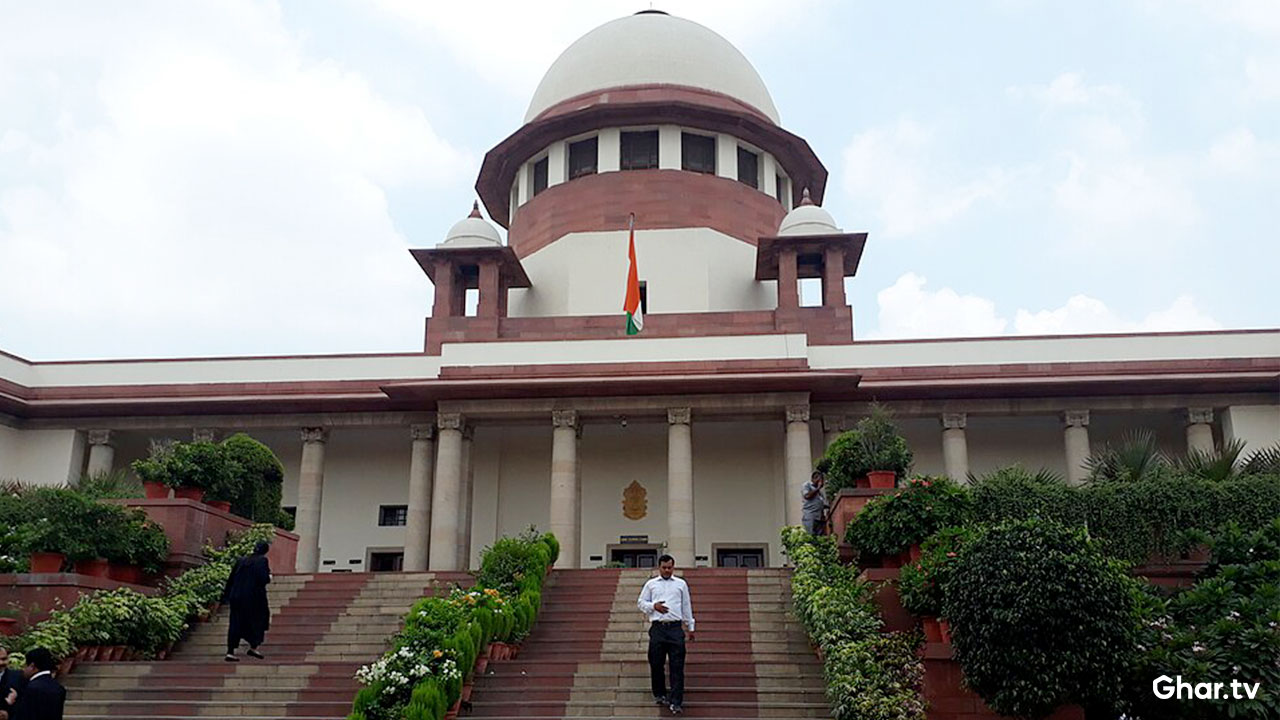
The Supreme Court of India has reportedly delivered a series of landmark judgments aimed at transforming the real estate regulatory framework in favour of homebuyers. According to sources, the apex court has reaffirmed that housing constitutes a fundamental right under Article 21 of the Constitution, while simultaneously urging both central and state governments to establish a dedicated revival fund for completing thousands of delayed housing projects across the country.
These judicial interventions are said to represent a decisive shift toward placing homebuyers at the centre of India's property ecosystem. Industry experts suggest that the rulings could fundamentally alter how developers approach project timelines, refund mechanisms, and homebuyer rights under RERA compliance.
Key Judicial Interventions at a Glance
| Issue Addressed | Supreme Court Action | Impact |
|---|---|---|
| Housing as a Right | Declared housing part of fundamental right to life | Strengthens legal standing of homebuyers |
| Stalled Projects | Urged creation of housing revival fund | Supports completion of unfinished developments |
| Builder Delays & Refunds | Ordered builders to pay equal interest as charged from buyers | Ensures fairness in refund cases |
| Greater Noida Delays | Appointed inquiry panel for project assessment | Fast-tracks resolution with judicial supervision |
| Role of State Authorities | Directed stronger enforcement by RERA and local bodies | Reduces impunity for non-compliant developers |
Proposed Housing Project Revival Fund
The Supreme Court has reportedly recommended the establishment of a dedicated Revival Fund structured along the lines of an asset reconstruction model. According to industry observers, this mechanism is expected to enable last-mile funding for incomplete yet viable projects, thereby protecting tax-paying middle-class buyers who have remained stuck in prolonged delays.
Sources indicate that the fund would prioritise project completion over liquidation in insolvency cases, a significant departure from earlier approaches. The proposed structure would reportedly involve joint management by the Centre, state governments, financial institutions, and regulatory bodies to ensure coordinated oversight. This initiative aligns with ongoing efforts such as SWAMIH and RERA driving housing recovery across India's major cities.
Real estate analysts suggest that such a fund could provide much-needed relief to thousands of homebuyers who have been waiting for possession of their properties for years. The move comes as Suraksha commits ₹5,500 crore to revive Jaypee's stalled flats, demonstrating private sector involvement in addressing the crisis.
Interest Parity in Delay Compensation
In what is being described as a consumer protection breakthrough, the Court has reportedly ruled that builders who delay possession must pay the same interest rate to homebuyers as they themselves charge in cases of late payment by buyers. Legal experts suggest this sets a new precedent for equitable treatment in housing contracts and discourages unfair builder practices.
This ruling is expected to have far-reaching implications for how developers structure their agreements with buyers. Understanding RERA homebuyer rights and developer obligations becomes crucial in this context, as the judgment reinforces the regulatory framework's intent to protect consumer interests.
Industry sources indicate that the ruling could prompt developers to reassess their project timelines and fund allocation strategies. The MREAT ruling allowing refunds without registered sale agreements further strengthens the judicial approach toward homebuyer protection.
Greater Noida Project Resolution
To address decade-long delays in a major Greater Noida housing project, the Supreme Court has reportedly appointed a former High Court judge to lead a special inquiry committee. According to sources, the committee has been tasked with identifying genuine homebuyers, assessing project viability, and charting a time-bound completion roadmap.
This approach signals a case-by-case resolution model with judicial oversight, effectively bypassing lengthy litigation procedures. The development is particularly significant for the Delhi-NCR region, where understanding Noida and Greater Noida property regulations remains essential for prospective buyers.
Property market observers note that such judicial interventions could accelerate resolution timelines significantly. The Greater Noida market continues to evolve with new developments despite the challenges posed by legacy projects.
Similar Revival Efforts in the NCR Region
The Greater Noida inquiry follows a pattern of judicial and regulatory interventions aimed at resolving stalled projects across the National Capital Region. The Supreme Court's clearance for NBCC to build ₹15,000 crore worth of flats at Amrapali represents another milestone in addressing the housing crisis affecting thousands of families.
Meanwhile, private sector initiatives such as KIAL's ₹450 crore commitment to revive the Supertech Supernova project demonstrate that multiple stakeholders are working toward completing delayed developments.
Broader Implications for the Real Estate Sector
| Domain | Anticipated Change |
|---|---|
| Regulatory Enforcement | Greater power and accountability for RERA authorities |
| Judicial Oversight | Courts may intervene directly in large, long-pending projects |
| Project Completion Rates | Likely improvement due to financial and legal intervention mechanisms |
| Homebuyer Confidence | Strengthened due to clear protections and faster legal redress |
The implications extend beyond immediate project resolutions. Experts suggest that developers will need to adopt more transparent practices and ensure adequate fund allocation for project completion. Those considering property purchases should understand why buying property without RERA registration is a costly mistake.
The rulings are also expected to influence how insolvency code reforms affect real estate resolutions for homebuyers, potentially streamlining the resolution of bankruptcy cases involving real estate companies.
Government Action Required
According to legal experts, the onus now shifts to central and state governments to operationalise the proposed revival fund, empower RERA for stronger project monitoring and penalty enforcement, simplify escrow and fund utilisation regulations for developers, and accelerate the resolution of Insolvency and Bankruptcy Code cases related to real estate.
The judiciary's recommendations align with ongoing regulatory reforms, including the UP-RERA 2025 reforms reshaping Uttar Pradesh's realty sector. States like Maharashtra have also taken proactive measures, with MahaRERA initiating verification of 3,700 lapsed projects.
Prospective homebuyers are advised to thoroughly review property sale agreements and understand their rights before committing to any purchase. The first-time homebuyer's guide provides comprehensive information for those entering the market.
Road Ahead for Indian Real Estate
The Supreme Court's recent actions have reportedly reshaped the landscape for homebuyers in India. By declaring housing as a constitutional right, advocating equal financial liability for delays, and urging institutional mechanisms to rescue stalled projects, the judiciary has reinforced its role as a powerful ally for millions of citizens locked in real estate uncertainty.
Industry observers suggest that if followed by prompt policy execution, these reforms could bring long-awaited relief, restore trust in the housing market, and pave the way for a more balanced and buyer-centric real estate ecosystem. Understanding risks of buying under-construction properties and navigating possession and buyer rights under RERA remains essential for informed decision-making.
For those considering investments in the Delhi-NCR region, exploring the top 10 real estate hotspots in Delhi-NCR could provide valuable insights into emerging opportunities amid the evolving regulatory landscape.
Disclaimer: This news article is for informational purposes only and does not constitute legal or investment advice. The information presented is based on publicly available sources and reports. Readers are advised to consult with qualified legal and financial professionals before making any property-related decisions. The views and opinions expressed herein are based on available information at the time of writing and may be subject to change as new developments emerge. Ghar.tv does not guarantee the accuracy, completeness, or timeliness of the information provided.


Comments
No comments yet.
Add Your Comment
Thank you, for commenting !!
Your comment is under moderation...
Keep reading blogs