India's Luxury Housing Market to Touch USD 103 Billion by 2030 as Smaller Cities Emerge as New Growth Hubs
 Admin
Admin
- 2025-12-28
- 1239
- 0
Never miss any update
Join our WhatsApp Channel
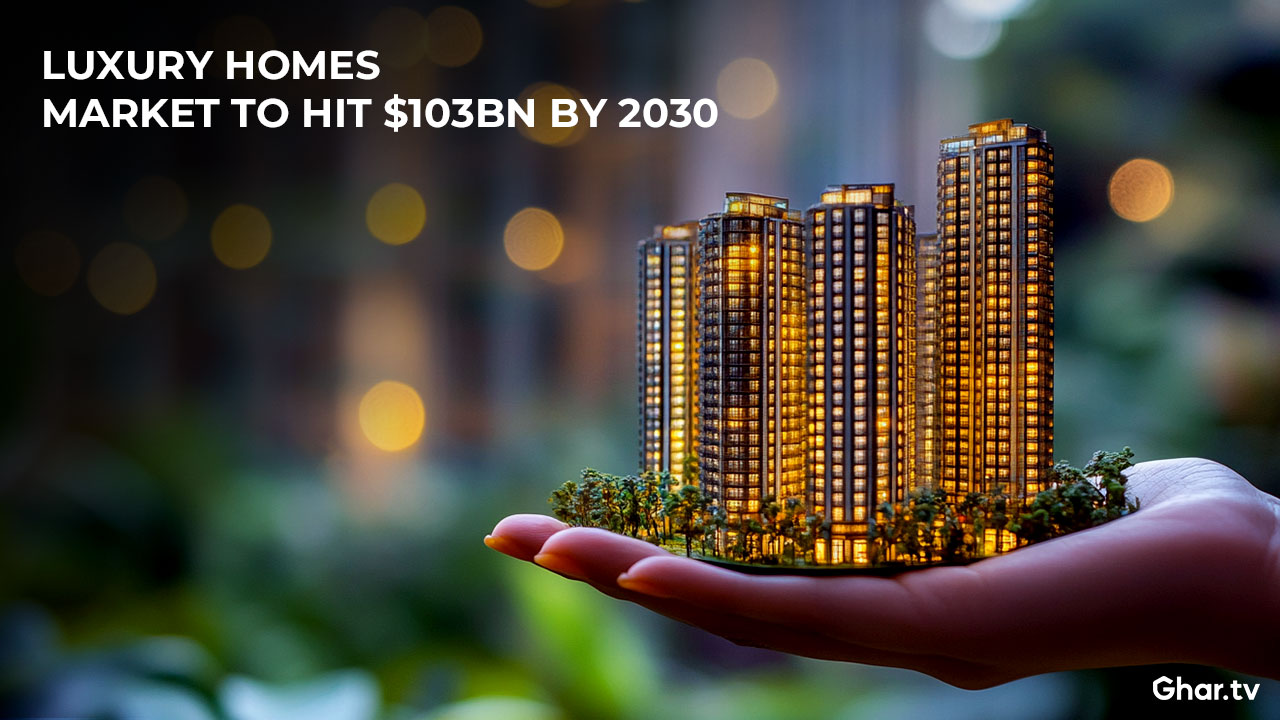
India's luxury housing market is reportedly undergoing a remarkable transformation, with industry reports suggesting that it could expand from USD 17 billion in 2024 to an estimated USD 103 billion by 2030. This growth, projected at a compound annual growth rate (CAGR) of approximately 35 percent, is being driven by rising affluence, improved infrastructure, and evolving lifestyle preferences among homebuyers.
What was once a segment dominated by metros like Delhi, Mumbai, and Bengaluru is now expanding rapidly into Tier-2 and Tier-3 cities. According to market analysts, cities such as Panchkula, Mohali, Raipur, and Bilaspur are emerging as high-potential destinations for premium housing. This shift is reportedly being fuelled by better connectivity, corporate expansion, and availability of land in these regions. The rise of Tier-2 cities in India is creating new opportunities in the Indian real estate sector.
Luxury Housing Market Outlook
| Year | Market Size (USD) |
|---|---|
| 2024 | 17 Billion |
| 2030 (Projected) | 103 Billion |
| CAGR (2024–30) | ~35% |
Key Growth Drivers Behind the Luxury Housing Surge
Rising Affluence and Dual-Income Households
A significant surge in the number of high-net-worth individuals and dual-income households is reportedly leading to greater spending power and increased interest in luxury real estate. Reports indicate that India's ultra-wealthy are betting big on luxury homes, with a substantial portion of their wealth now allocated to residential real estate.
Lifestyle-Centric Buying Preferences
Homebuyers are increasingly seeking premium homes with modern amenities such as smart technology, wellness zones, private terraces, and sustainability-driven features. The demand for smart home technologies transforming Indian real estate is reportedly on the rise, with buyers prioritising convenience and eco-conscious construction.
Non-Metro Expansion
Smaller cities are emerging as high-potential luxury housing markets due to better connectivity, corporate expansion, and land availability. According to industry sources, the Tier-2 and Tier-3 markets are reshaping India's real estate landscape in unprecedented ways. The emerging real estate markets in Tier-3 cities are also witnessing significant investor interest.
Infrastructure Growth
Enhanced road, rail, and air connectivity is reportedly reducing dependence on metro markets and making outer zones and smaller cities more accessible for luxury development. The mega infrastructure projects driving India's real estate boom are playing a crucial role in this transformation.
Metro vs Non-Metro Dynamics
| City Type | Luxury Demand Trend |
|---|---|
| Metro Cities | Strong baseline demand; premium sales remain consistent |
| Tier-2 & Tier-3 Cities | Accelerated interest due to better affordability and quality offerings |
| Peripheral Suburbs | Increased launches of villas, low-rise gated communities, smart homes |
Reports suggest that Tier-2 cities are beating metros in appreciation rates, making them attractive destinations for both end-users and investors.
Developer and Market Trends
Industry sources indicate that developers are strategically shifting their focus towards launching high-end residential projects beyond metro city limits. This approach is reportedly tapping into aspirational demand in smaller towns and suburbs. The Delhi-NCR luxury housing market is soaring, while markets like Panchkula is rising as a luxury real estate powerhouse.
The robust growth outlook is reportedly attracting institutional investors and private equity into the premium and ultra-luxury housing segments. Buyers are now said to value space, privacy, eco-conscious construction, and world-class amenities over mere location. Many are also exploring eco-friendly homes redefining sustainable living as part of their luxury home search.
Factors Fueling the Luxury Housing Boom
| Factor | Impact |
|---|---|
| Economic Upliftment | Rising disposable incomes and increased aspiration among urban India |
| Urban Decongestion | Preference for spacious homes in less crowded areas |
| Work-from-Anywhere Culture | High-end living no longer limited to employment hubs |
| Demand for Branded Residences | Surge in demand for developer reputation, quality, and lifestyle |
The work-from-anywhere culture has reportedly enabled homebuyers to consider luxury properties in locations beyond traditional employment hubs. This trend is said to be driving interest in investing in second homes in India as well as Goa holiday homes as a real estate investment.
Investment Outlook and Market Potential
India's luxury housing segment is reportedly evolving into a nationwide growth engine, with booming demand now extending into emerging urban centres beyond the metros. Backed by a rapidly rising affluent population, changing consumer behaviour, and robust infrastructure upgrades, the market is poised to become a USD 103 billion opportunity by 2030, according to industry estimates.
For those looking to understand why India's ultra-rich are betting on ultra-luxury real estate, the combination of wealth creation, lifestyle aspirations, and improving infrastructure across cities offers compelling reasons. The luxury housing market in 2025 is at a crossroads, presenting opportunities for both developers and buyers alike.
This new chapter in Indian real estate is reportedly not just about luxury but about access, aspiration, and redefining where and how India lives in style.
Disclaimer: This article is based on information available from various industry sources and market reports. The projections and estimates mentioned are subject to market conditions and may vary. Readers are advised to conduct their own research and consult with qualified financial and real estate professionals before making any investment decisions. Ghar.tv does not guarantee the accuracy of the projections mentioned and shall not be held liable for any investment decisions made based on this information.


Comments
No comments yet.
Add Your Comment
Thank you, for commenting !!
Your comment is under moderation...
Keep reading blogs