- Blog
- Infrastructure
- NEWS
- Mumbai
Chembur metro station opening targets infrastructure efficiency
 Rajesh Aher
- 2026-04-26 15:01:51
- 1202
- 0
Never miss any update
Join our WhatsApp Channel
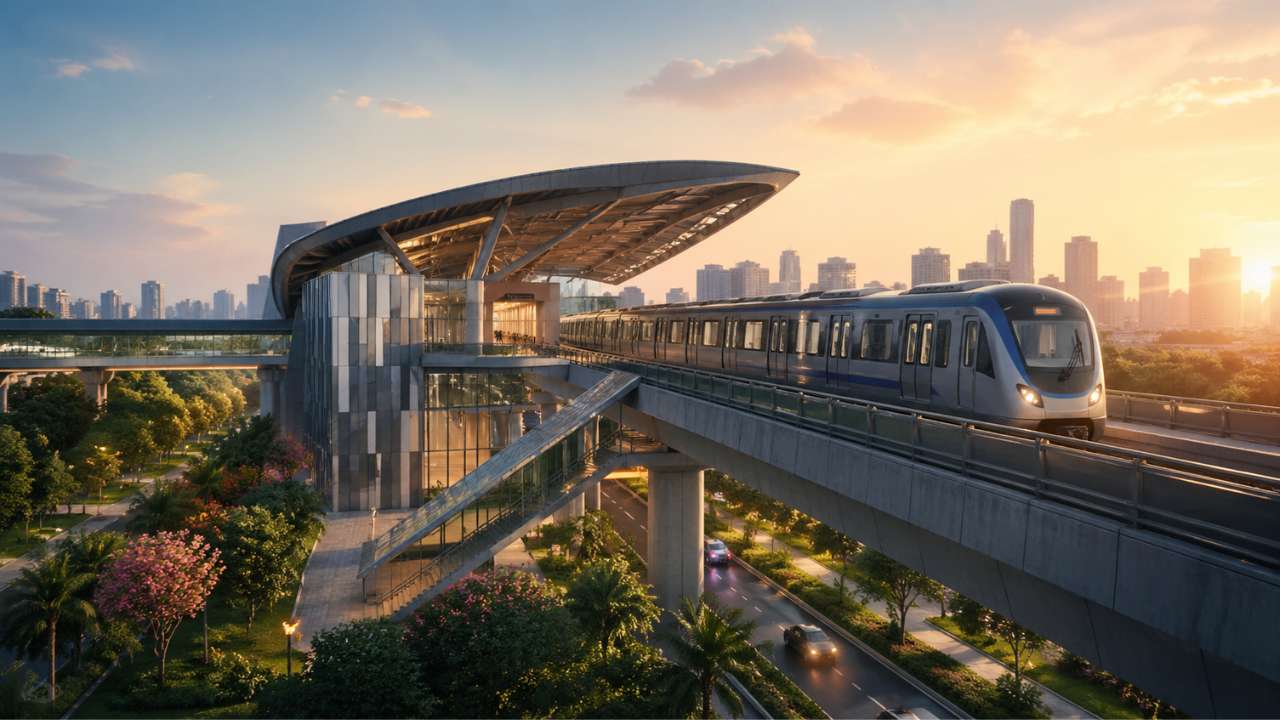
Mumbai: The Mumbai Metropolitan Region Development Authority is fast-tracking the activation of the Chembur metro station to resolve operational inefficiencies on Metro Line 2B. The Mumbai Metropolitan Region Development Authority aims to launch this critical transit node by late May or early June 2026 to convert low ridership patterns into a robust commuter flow.
Infrastructure project overview
The following data highlights the current status and strategic projections for the segment connecting the eastern suburbs.
| Particulars | Details |
|---|---|
| Project Name | Mumbai Metro Line 2B |
| Target Station | Chembur |
| Current Daily Ridership | 300 passengers |
| Construction Status | 100% complete |
| Approval Stage | Pending CMRS certification |
| Infrastructure Link | Monorail integration |
Chembur metro station opening and transit dynamics
This initiative focuses on revitalising the stagnant passenger demand observed along the Diamond Garden to Mandalay corridor. Current internal assessments reveal that ridership remains significantly below capacity, necessitating an immediate intervention to improve connectivity across the eastern metropolitan belt. The impact of metro expansion on property values in Chembur residential real estate remains a primary area of interest for local residential investors seeking long-term appreciation.
Technical teams have finalized the structural components, and the facility is now under final inspection by the Commissioner of Metro Rail Safety. This regulatory milestone serves as a vital indicator of project readiness for the broader network, which ultimately spans 23.64 kilometers from Andheri West to Mankhurd. A fully commissioned station will enable seamless passenger interchange between the high-capacity metro rail and the struggling monorail network.
Strategic integration with urban transit
The Mumbai Metropolitan Region Development Authority is engineering a pedestrian bridge to facilitate direct movement between the metro platform and the existing monorail network on V. N. Purav Marg. This physical connectivity is designed to address last-mile accessibility challenges that have plagued the monorail for several fiscal quarters. By streamlining transfers, the authority hopes to stimulate demand for both systems simultaneously, transforming a underutilised asset into a vital transit artery.
Infrastructure implications for local demand
The development of the Chembur metro station highlights a shift toward high-efficiency transit-oriented development in dense eastern corridors. As major public works approach final operational status, the surrounding real estate market typically witnesses a revaluation based on improved commute times and accessibility. This project reflects a broader trend of authorities prioritising functional integration over staggered rollouts to maximise the utility of taxpayer-funded infrastructure, a topic explored in infrastructure development project guides.
Outlook for metropolitan connectivity
Looking ahead to the remainder of 2026, the successful integration of the metro and monorail systems provides a scalable model for regional transit authorities. Future phases of the 23.64-km line will continue to reshape connectivity from the western coastline through to the deep eastern suburbs of Mankhurd. The scheduled operational window remains a key metric for gauging the recovery of suburban transit demand during the current fiscal year, as detailed in regional metro network expansion reports.
Conclusion
The impending Chembur metro station opening positions the local transit network for a significant upgrade in passenger utility and regional integration. By leveraging existing infrastructure more effectively, the Mumbai Metropolitan Region Development Authority is setting a new precedent for project execution in densely populated urban zones. These operational enhancements provide a stable foundation for future residential and commercial growth in the eastern corridor.
Disclaimer: This article is based on publicly available information and media reports. Ghar.tv does not independently verify all facts and figures mentioned. Readers are advised to conduct their own due diligence before making any investment or business decisions based on this information. The content is for informational purposes only and should not be construed as financial, legal, or professional advice.


Comments
No comments yet.
Add Your Comment
Thank you, for commenting !!
Your comment is under moderation...
Keep reading blogs