
MHADA's ₹1,500 Crore Urban Village Project Set to Transform Mumbai's Historic Kamathipura Neighbourhood
 Admin
Admin
- 28th Oct 2025
- 1345
- 0
Never miss any update
Join our WhatsApp Channel
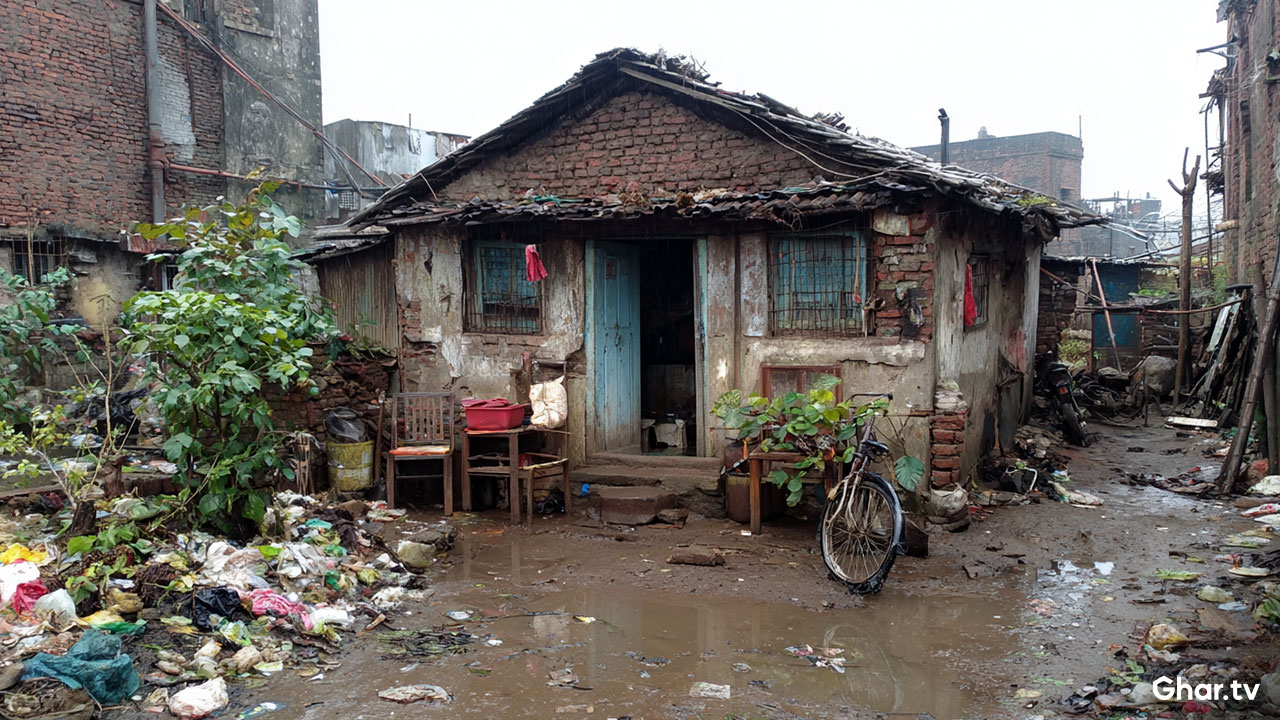
The Maharashtra Housing and Area Development Authority has announced a landmark redevelopment initiative for Kamathipura, one of Mumbai's oldest neighbourhoods, with plans to modernize infrastructure while preserving the area's cultural heritage through a massive ₹1,500 crore Urban Village Township Project.
Ambitious Vision to Convert Historic Lanes into Modern Township
According to officials, the project has been launched under Regulation 33(9) of the Development Control and Promotion Regulation (DCPR) 2034, backed by a Government Resolution dated January 12, 2023. The initiative intends to redevelop Kamathipura's 15 lanes, comprising over 1,200 aging structures, into a sustainable urban township that balances modernity with cultural preservation.
The redevelopment, which spans approximately 34 acres, focuses on transforming both cessed and non-cessed buildings while rehabilitating thousands of stakeholders. As part of similar upcoming real estate projects in Mumbai, this initiative represents a new approach to urban renewal in the city.
Comprehensive Scope Covers Over 8,000 Stakeholders
The project aims to redevelop 943 cessed and 349 non-cessed buildings, officials confirmed. More than 8,000 stakeholders are expected to benefit from the initiative, including 6,625 residential tenants, 1,376 commercial tenants, and 800 landowners who will be rehabilitated under the scheme.
Authorities have emphasized that the redevelopment focuses on creating a livable, inclusive township with modern infrastructure, green public spaces, and community-centric amenities. The initiative also aims to preserve Kamathipura's cultural identity while significantly improving living conditions for residents.
Project Specifications and Development Rights
The Urban Village Kamathipura Township Project covers a total land area of 34 acres and will provide significant affordable housing gains. According to the development plan, 44,000 square meters of land will be handed over to MHADA for public housing purposes, while developers will receive 5,67,000 square meters in development rights.
| Component | Details |
| Total land area | 34 acres |
| Buildings covered | 943 cessed + 349 non-cessed |
| Residents & stakeholders | 8,800+ individuals |
| Affordable housing gain | 44,000 sq. m. |
| Development rights | 5,67,000 sq. m. |
| New housing units (approx.) | 4,500 units |
| Sustainability features | Earthquake-resistant design, rainwater harvesting, waste management |
The project is expected to generate approximately 4,500 additional housing units, incorporating earthquake-resistant design, green building materials, rainwater harvesting systems, and integrated waste management facilities.
Structured Compensation Policy for Landowners and Tenants
A structured compensation framework has been established through a Government Resolution dated July 2, 2024, officials stated. Under this policy, landowners with plots measuring up to 50 square meters will receive a 500 square feet unit, while those with larger plots will be entitled to proportionate compensation.
A high-powered committee under the Housing Department has been formed to oversee policy implementation, ensuring fairness, transparency, and stakeholder consent throughout the redevelopment process. This approach aligns with affordable housing initiatives in Mumbai that prioritize resident welfare.
Phased Execution and Administrative Framework
The redevelopment will be executed in phases across four sectors to ensure streamlined delivery, according to project documents. Mahimtura Consultants has been appointed as the planning and design agency, while MHADA will serve as the Special Planning Authority (SPA) to manage regulatory coordination and inter-agency collaboration.
Sources indicated that tender evaluations are currently underway, with reputed developers expected to be shortlisted in the coming months. Resident consultations and feasibility reviews will continue under MHADA's Project Feasibility Committee, with phased execution anticipated to begin by mid-2026.
Rich Cultural Heritage Dating Back to 18th Century
Kamathipura was established in the late 18th century by migrant workers from Andhra Pradesh and has evolved through colonial industrialization and successive waves of migration. The neighbourhood holds significant literary and cultural importance, having been home to renowned poets and writers including Namdeo Dhasal, Shahir Amar Shaikh, Kaifi Azmi, and Sahir Ludhianvi.
Despite decades of urban neglect, Kamathipura has remained a symbol of resilience and working-class spirit. Today, the community continues to support home-based industries, with approximately 200 women sustaining their livelihoods through small-scale enterprises such as beedi rolling, demonstrating the area's enduring economic vitality.
Blueprint for Inclusive Urban Renewal
Urban planning experts have noted that the Urban Village Kamathipura Project represents more than a conventional real estate development initiative. The government's approach attempts to bridge heritage preservation with modern housing needs, ensuring that redevelopment translates into resettlement with dignity rather than displacement.
Through integrated design principles, public participation mechanisms, and commitment to cultural sensitivity, the plan aspires to position Kamathipura as a national model for inner-city transformation. This initiative reinforces Mumbai's commitment to uplifting its oldest communities without erasing their historical and cultural significance, similar to other major redevelopment projects in Mumbai.
The project also emphasizes environmental sustainability and disaster resilience, incorporating modern urban planning principles that address climate change concerns. These features align with broader trends in climate-ready housing development in India.
Timeline and Next Steps
According to official timelines, the project is moving forward on multiple fronts. Tender evaluations are in progress with developer shortlisting expected soon. Resident consultations and feasibility assessments will continue under MHADA's oversight to ensure community involvement in decision-making.
The phased execution plan targets a mid-2026 commencement date for construction activities across the four designated development zones. This timeline allows for adequate preparation, stakeholder engagement, and regulatory approvals necessary for a project of this magnitude and social significance.
Disclaimer: This news article is based on information from secondary sources. Readers are advised to verify details independently and consult official sources or relevant authorities before making any decisions based on this content. The publisher and author assume no responsibility for any actions taken based on this article.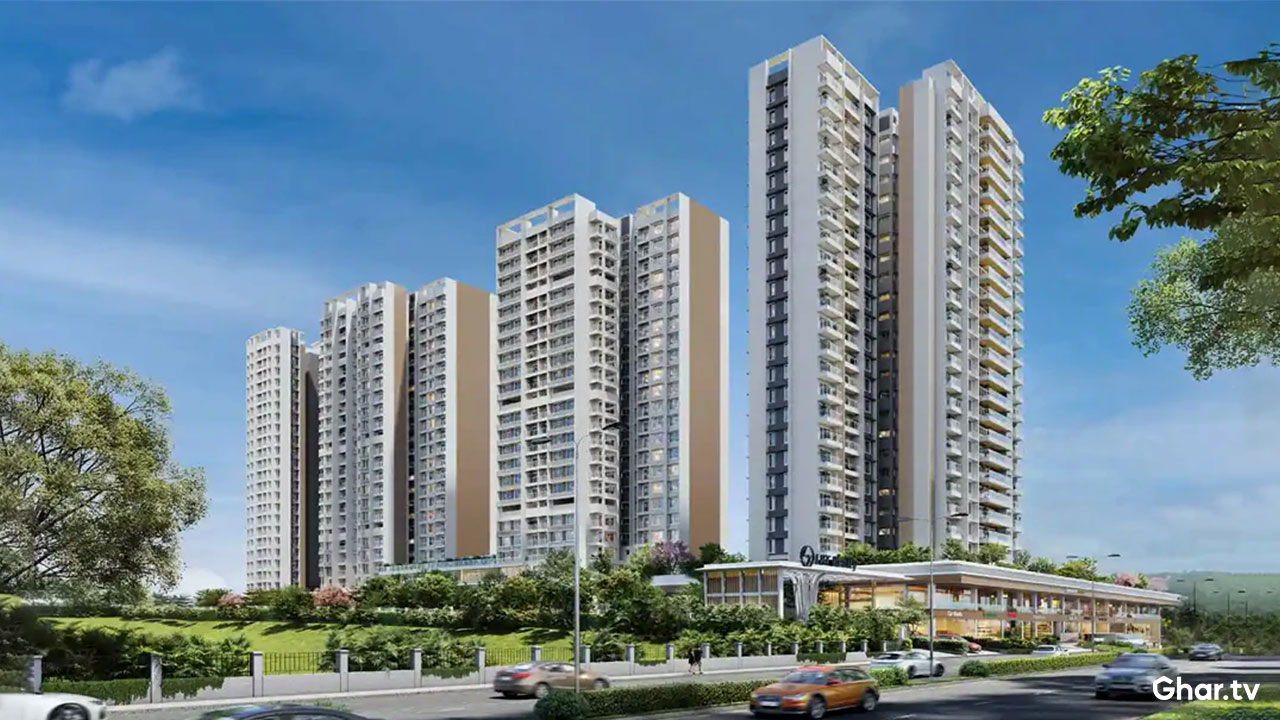


Comments
No comments yet.
Add Your Comment
Thank you, for commenting !!
Your comment is under moderation...
Keep reading blogs